
In the world of packaging, “safe” is not a singular, all-encompassing term. Depending on whether you are selling artisanal sauces or prescription antibiotics, “safe” has dramatically different definitions, regulations, and material requirements. For businesses in the food and healthcare sectors, using the incorrect classification isn’t just a marketing misstep; it’s a critical compliance risk that can jeopardize consumer health, regulatory approvals and legal standing.
At Medtrapak, we understand that navigating these requirements can be daunting and complex. We often see brands struggle with these nuances, assuming a material is inherently suitable for their product, only to find that subtle differences in processing conditions and methods or chemical compositions affect its suitability. Understanding the difference between food- contact packaging requirements and pharmaceutical packaging requirements is essential for product integrity and consumer trust.
Understanding the Food-Contact Requirements
Food-contact packaging refers to materials intended for direct contact with food products. The fundamental requirement is that the material must not transfer harmful substances to the food, a concept known as “migration.” While glass is the gold standard for reliability, quality, and aesthetics in the F&B sector, both glass and high-quality plastics must be manufactured using raw materials that comply with recognised safety standards and regulations.
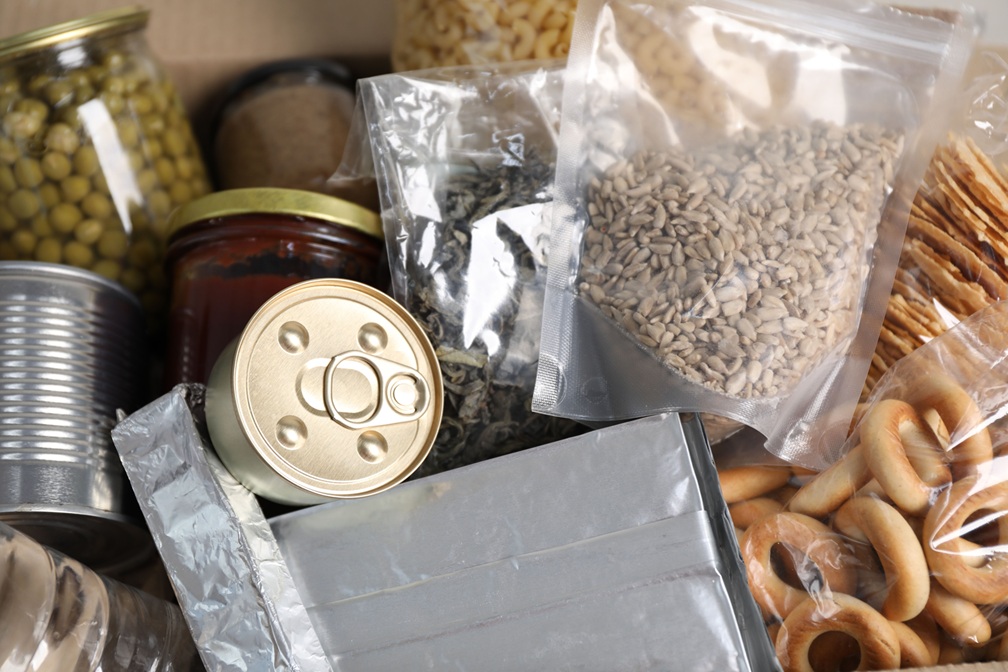
A common challenge for food clients is identifying environmental nuances. For instance, certain plastic containers safe for dry snacks might leach chemicals if used for hot-filling or acidic oils. When choosing food-grade packaging, it is vital to consider the product’s properties, such as whether it is oil-based or light-sensitive, and the processing methods involved, such as hot filling, pasteurization or retort processing, as these factors can affect packaging compatibility and performance. The right choice ensures the packaging maintains the product’s quality and brand positioning throughout its shelf life.
Pharmaceutical Packaging: The Higher Standard
Packaging used in pharmaceutical applications operates to a far stricter standard than conventional food-contact packaging. Beyond safety, it must protect a drug’s efficacy, sterility, purity, and chemical stability throughout its lifecycle. This is particularly critical for sensitive formulations such as injectable drugs, where even minor interactions between the packaging material and product can affect stability. For example, standard glass may release trace amounts of alkali over time, whereas Type I Borosilicate glass is specifically engineered for superior chemical resistance, inertness, and thermal shock performance, making it widely used in pharmaceutical applications.

At Medtrapak, we supply glass and plastic packaging solutions for high-utility sectors, including healthcare, industrial, and lab testing, supporting government institutions and clinical environments, based on their operational requirements. These materials are chosen by factors such as chemical compatibility, storage conditions, handling needs, and cost considerations. Glass is often chosen for its chemical stability, inertness, and suitability for sensitive or high-purity formulations, while plastic is commonly used where durability, lightweight handling, and operational efficiency are key priorities. Both materials play important roles in applications such as clinical dispensing, sample handling, and chemical storage.
The Medtrapak Difference: A Total Solution Provider
You cannot tell by touch or sight alone if a material meets the necessary certifications; it comes down to the integrity of the supply chain and the experience of the provider. Medtrapak bridges this gap by acting as more than just a traditional B2B supplier; we are a B2B solutions provider with a wide product range and a new showroom designed for better accessibility, product selection and assessment.
Unlike many suppliers that sell jars and lids separately, we leverage longstanding partnerships with reliable factories to match the ideal caps to our bottles and jars. This allows customers to purchase complete, compatible sets ready for production without searching for multiple vendors. We offer a one-stop experience by supplying an entire packaging accessory suite, including cap seals, shrink wraps, ziploc bags, and even specialized logistics items like plastic pallets and bubble wraps.
Furthermore, we understand the logistical challenges businesses face. While we supply in pallets, we also repack into boxes to meet specific quantity demands and ease storage limitations. If a vision requires a product we do not have on hand, our team will utilize our sourcing expertise to find a bespoke solution that meets your stringent requirements.
Selecting the Right Protection for Your Brand
Choosing the correct packaging is essential to safeguarding your product, maintaining quality, and protecting consumers. Whether you operate in the FMCG sector and require dependable glass packaging or manage a healthcare facility in need of consistent plastic supplies, selecting the right packaging partner is a critical decision. Your choice should be guided by your product specifications, production processes, and industry compliance requirements.
At Medtrapak, we combine 25 years of trusted service with more than 40 years of industry expertise to deliver packaging solutions that meet the highest standards of quality and reliability. Our team is committed to understanding your product characteristics, operational needs and helping you find the ideal solution for your production environment. Visit our showroom or contact us today to learn more.
